Jolly Mini Retro SVG: A Designer’s Real-World Embroidery Review
As an embroidery designer who has spent years digitizing patterns and testing them on everything from delicate baby onesies to heavy canvas tote bags, I approach every new machine embroidery design with a critical eye. It is not enough for a graphic to look cute on a screen; it must survive the needle, the thread tension, and the wash cycle. Recently, I evaluated the Jolly Mini Retro SVG to determine if it holds up in real-world production environments for my craft business and client projects.
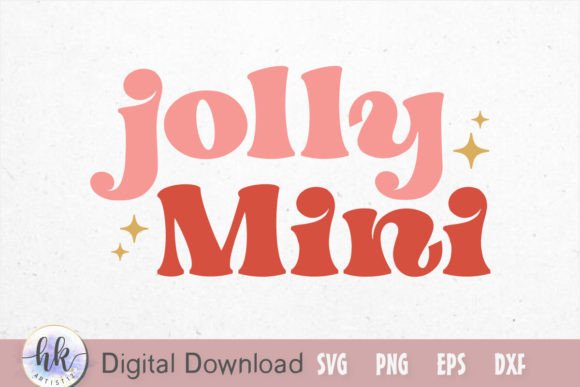
The first impression of this design is its distinct mood. It captures that nostalgic, mid-century holiday aesthetic that has become increasingly popular among Etsy sellers and boutique owners. The shapes are clean, avoiding the clutter that often plagues retro-style graphics. For an embroidery project, this simplicity is a virtue. Complex, jagged lines can cause thread breaks or puckering, but the smooth curves and bold outlines of the Jolly Mini Retro SVG suggest a design that will stitch out cleanly. It feels festive without being overwhelming, making it a versatile asset for holiday embroidery campaigns.
Real-World Application: The Custom Tote Bag Test
To truly understand the value of this embroidery file, I imagined a specific scenario: a custom order for a local coffee shop looking for limited-edition holiday merchandise. They wanted a design that would look professional on a heavy cotton tote bag. This is where the Jolly Mini Retro SVG shines. Because the design is described as "mini," it fits perfectly into smaller hoop sizes, allowing for placement on handles, pockets, or centered on standard 5x7 or 4x4 hoops without dominating the fabric.
When visualizing the finished product, I considered how the design interacts with fabric texture. On a sturdy canvas tote, the bold lines of the retro graphic would stand out sharply against the weave. If I were using a satin stitch for the outlines, the sheen of the rayon thread would contrast beautifully with the matte fabric, adding a premium feel to the handmade product. For a sweatshirt embroidery project, the same design would need careful attention to stabilizer choice to prevent the knit fabric from distorting under the weight of the stitches.
Versatility Across Product Lines
One of the strongest aspects of this Graphics package is its adaptability. While it is categorized under Crafts, its application extends far beyond simple hobbyist projects. Here is how I see this design performing across different categories:
- Custom Apparel: Ideal for left-chest logos on t-shirts or hoodies. The retro vibe appeals to younger demographics looking for vintage-inspired holiday wear.
- Baby Embroidery: The "mini" scale makes it perfect for bibs, burp cloths, and onesies. However, care must be taken with stitch density to ensure softness against sensitive skin.
- Embroidered Patch Creation: The clean edges make this an excellent candidate for cut-work patches. You can stitch it on felt or twill, cut it out, and apply it to jackets or hats.
- Home Decor: Think pillow covers or kitchen tea towels. The transparent background mentioned in the file specs allows for easy mockup creation, helping you visualize the design on various colored linens before stitching.
For an Etsy seller, having a design that works across multiple product types increases the return on investment. You are not just selling one item; you are building a cohesive holiday collection. Whether it is a personalized gift for a neighbor or a small shop product line, consistency in design language builds brand trust.
Technical Considerations and Stitching Advice
While the visual appeal is strong, practical execution requires attention to detail. The product description notes that you will receive EPS, SVG, PNG, and DXF files. As an embroidery professional, I must clarify that these are primarily vector and raster graphic formats, not native machine embroidery formats like PES or DST. This means you will likely need to use embroidery software to convert the digital embroidery file into stitches, or use it as a reference for manual digitizing.
If you are converting this SVG into an applique design or a standard stitch file, keep the following in mind:
- Stitch Density: Retro designs often rely on solid blocks of color. Ensure your fill stitch density is appropriate for your fabric. Too dense, and the fabric will pucker; too light, and the backing will show through.
- Thread Colors: Stick to a limited palette. The retro aesthetic works best with muted greens, creams, and deep reds rather than neon brights. Test your thread colors on scrap fabric first to check contrast.
- Small Details: If the design includes tiny text or intricate corners, verify that they are large enough to stitch at your chosen size. Tiny lettering can become illegible if the stitch length is too long.
- Stabilizer Selection: For stretchy fabrics like sweatshirts, use a cut-away stabilizer. For woven fabrics like tote bags, a tear-away may suffice, but hooping firmly is essential to maintain the integrity of the hoop size area.
Navigating Fabric and Surface Challenges
Not every surface is friendly to embroidery. When using the Jolly Mini Retro SVG on dark fabric, you may need to adjust your thread colors or add an underlay to prevent the fabric color from bleeding through the stitches. On curved surfaces like caps, the design’s compact nature is an advantage, but you must account for the curvature in your digitizing process to avoid distortion.
Additionally, consider the end-use of the handmade product. If it is a kitchen towel that will be washed frequently, ensure your thread type is colorfast and your knotting technique is secure. For items like baby clothes, avoid scratchy backings by using soft, no-show mesh stabilizers.
Commercial Viability and Brand Value
From a business perspective, this design adds value through its professional presentation. Customers associate clean, well-executed embroidery with quality. A sloppy stitch-out can damage your reputation, but a crisp, well-planned design enhances perceived value. The Jolly Mini Retro SVG offers a polished look that aligns with current trends in commercial embroidery.
Before selling finished items or digital products derived from this file, always confirm the licensing terms. While the description states it is perfect for crafting projects, commercial use rights can vary. Ensure you are compliant with the creator’s terms to protect your craft business from legal issues. Using proper design assets legally is just as important as the technical quality of the stitch.
In conclusion, the Jolly Mini Retro SVG is a promising addition to any designer’s library. It balances aesthetic charm with practical usability, provided you handle the conversion and stitching process with care. Whether you are creating a personalized gift or stocking your online store, this design offers the flexibility and style needed to stand out in a crowded market. Always test on scrap fabric, respect the limitations of your materials, and let the retro charm shine through your craftsmanship.