Love Retro SVG: A Designer’s Take on Valentine Stitching
When I first pulled up the Love Retro SVG file on my screen, I wasn’t just looking for another holiday graphic. As a designer who spends half my life digitizing and the other half stitching, I look for specific traits: clean lines, balanced negative space, and a personality that translates well from vector to thread. This design, categorized under Crafts and Graphics, immediately struck me as a versatile asset for anyone running a small shop or creating personalized gifts. It isn’t just a digital download; it is a potential bestseller if handled with the right technical approach.
First Impressions and Visual Personality
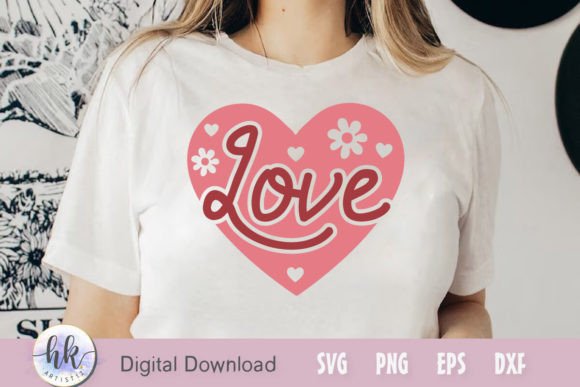
The mood of this piece is undeniably nostalgic. The retro aesthetic taps into that warm, mid-century vibe that has remained popular in home decor and apparel for years. What stands out most is the layout. It feels open enough to breathe but detailed enough to hold interest. For an embroidery project, this is crucial. Overly complex designs often turn into dense mats of thread that ruin the drape of fabric, while overly simple ones can look cheap. Love Retro SVG sits comfortably in the middle, offering a visual punch without demanding excessive stitch density.
The theme is clearly centered around affection, making it a natural fit for Valentine’s Day, but the retro styling gives it longevity. It doesn’t scream "single-use holiday item." Instead, it feels like something a customer would wear in February and keep in their closet through spring. This versatility is key for Etsy sellers and craft business owners who need inventory that moves quickly during peak seasons but doesn’t become dead stock by March.
Real-World Application: The Tote Bag Test
To truly evaluate a design, you have to imagine it stitched out. I recently worked on a custom order for a boutique client who wanted a line of reusable tote bags for a local market. I considered using Love Retro SVG for this project. The 6x6 inch dimensions provided in the file description are ideal for a standard tote center panel.
In this scenario, the design’s clarity becomes its strongest asset. On canvas or heavy cotton, the shapes need to be distinct. If the lines are too thin, they get lost in the weave. If they are too thick, the bag becomes stiff. This design appears to have the structural integrity to handle a fill stitch or a satin stitch border without collapsing. I envisioned it in a classic red thread against a natural beige canvas, perhaps with a contrasting cream background element if used as an applique design. The result would be a handmade product that looks professional, not homemade.
Performance Across Different Fabrics
One of the biggest challenges in commercial embroidery is adapting one design to multiple substrates. Here is how I see this file performing across various materials:
- Sweatshirt Embroidery: On fleece or French terry, the design needs to float well. The retro shapes are bold enough to stand out against the textured surface of a sweatshirt. However, I would recommend using a tear-away stabilizer to prevent stiffness around the chest area.
- Baby Embroidery: For onesies or burp cloths, softness is paramount. This design could work beautifully as a smaller accent. Because the files include PNG and SVG formats, you can easily resize the motif for smaller hoop sizes. Just ensure you reduce the stitch density if you scale it down significantly to avoid puckering on delicate knit fabrics.
- Curved Surfaces: Applying this to caps or hats requires caution. The 6x6 inch size is too large for a standard front cap panel. You would need to scale it down considerably. Even then, check the stitch direction. Long satin stitches on a curved brim can gap or pull. This design might be better suited for the side or back of a cap where the curve is less aggressive.
- Dark Fabric: When stitching on black or navy garments, contrast is everything. The design’s solid shapes will pop nicely, but you must ensure your thread colors are vibrant. A muted pink on black might disappear. Test your thread colors against a black scrap before committing to the final garment.
Technical Considerations for Designers
Before you load this into your machine, there are practical steps every experienced embroiderer should take. The product description notes that you receive EPS, SVG, PNG, and DXF files. It is important to understand that these are primarily graphic files. If you are using them for machine embroidery, you will likely need to digitize them yourself or use auto-digitizing software, unless you already have a dedicated embroidery file format like PES or DST.
Important Note: Always check the specific license terms provided by the creator. While the description mentions usage for crafting projects, commercial rights for selling finished physical items versus selling the digital file itself can vary. Confirm whether you can sell the embroidered tote bags or if the license is strictly for personal use.
Here is my checklist for preparing Love Retro SVG for production:
- Test on Scrap Fabric: Never skip this step. Stitch the design on the same type of fabric you plan to use for the final product. Check for registration issues and thread breaks.
- Check Stitch Density: If you are digitizing this from the SVG, pay attention to the fill areas. Too much density leads to needle heat and thread breakage. Too little leaves gaps. Aim for a balanced coverage that allows the fabric texture to show through slightly.
- Inspect Small Details: Zoom in on the corners and curves. Are there tiny elements that might get chewed up by the needle? If so, simplify them or merge them with larger shapes.
- Mockup in Black and White: Remove color from your preview. If the design loses its definition without color, it relies too much on hue rather than shape. A strong embroidery design should hold its form even in monochrome.
Enhancing Brand Value and Customer Trust
For small shop owners and Etsy sellers, the quality of your design assets directly impacts your brand perception. Using a well-balanced graphic like Love Retro SVG signals professionalism. It shows that you care about aesthetics and execution. When customers receive a personalized gift that features clean, crisp stitching and a trendy design, they are more likely to leave positive reviews and return for future purchases.
This design also works well for printable mockups. Before you stitch a single thread, you can place the PNG file onto photos of blank apparel to create compelling social media content. This saves time and material costs while allowing you to gauge customer interest. If the mockup gets likes and comments, you know the design is a winner before you invest in production.
Final Verdict
Love Retro SVG is a solid addition to any designer’s library. It offers the flexibility needed for various crafts, from holiday embroidery on kitchen towels to year-round appeal on tote bags. Its retro charm is timeless, and its structural simplicity makes it forgiving for both beginners and pros. Just remember to respect the technical limits of your machine and fabric. With proper stabilizer choice and thread selection, this design can elevate your handmade products from simple crafts to desirable boutique merchandise.
Whether you are decorating aprons, creating patches, or designing nursery decor, this file provides a strong foundation. Treat it with the care it deserves, test thoroughly, and let the nostalgia of the retro style do the rest. Your customers will appreciate the thoughtful blend of vintage vibe and modern craftsmanship.