Reviewing Hocus Pocus Retro SVG for Embroidery
As a designer who has spent countless hours digitizing and stitching out files, I approach every new machine embroidery design with a critical eye. It is not enough for a graphic to look good on a screen; it must translate beautifully into thread. Recently, I evaluated the Hocus Pocus Retro SVG to determine its viability for real-world projects. This assessment focuses on how this specific asset performs when moved from digital Graphics to tangible Crafts, particularly for those of us running small shops or creating personalized gifts.
First Impressions and Visual Personality
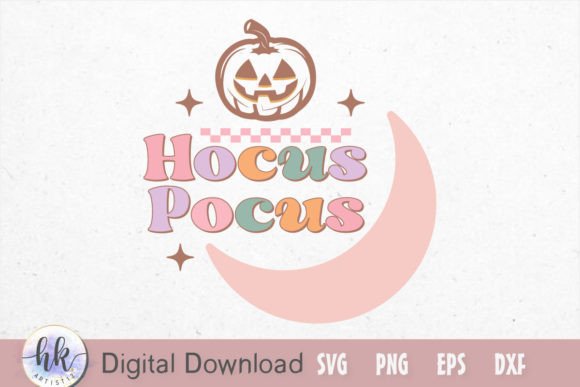
The initial appeal of the Hocus Pocus Retro SVG lies in its nostalgic aesthetic. The retro styling suggests a playful yet spooky vibe, perfect for the Halloween season without being overly terrifying. When reviewing the file structure, which includes EPS, SVG, PNG, and DXF formats, I noticed the clean lines and balanced composition. For an embroidery project, this is crucial. Complex, cluttered designs often result in messy stitching, but this layout appears open enough to allow for proper stitch formation.
The mood it creates is warm and inviting, leaning more towards "autumn cozy" than "haunted house." This makes it versatile. It does not scream for attention but rather invites a closer look. For an Etsy seller or craft business owner, this subtlety can be a selling point. Customers often seek items that feel curated and thoughtful rather than mass-produced. The visual personality of this design fits well within the current trend of vintage-inspired home decor and apparel.
Real-World Application: The Tote Bag Test
To truly understand the value of an embroidery file, I imagine it on a specific product. Let us consider a custom embroidered tote bag. Canvas is a sturdy fabric that holds stitches well, making it an ideal candidate for this type of design. The Hocus Pocus Retro SVG, with its 6x6 inch dimensions, would sit prominently on the front of a standard tote.
In this scenario, the design acts as the focal point. I would likely use a fill stitch for the larger solid areas to create texture and depth, while employing a satin stitch for any borders or finer details to ensure crisp edges. The retro font style, if present in the design elements, needs to be thick enough to survive the stitching process. Thin lettering often gets lost or breaks during washing. Assuming the vector paths are robust, this design should hold up well on heavy cotton or canvas.
For a small shop product, this application offers high perceived value. A plain tote becomes a unique, handmade product with minimal effort. The transparent background of the included PNG file also allows for easy creation of printable mockup images for online listings, helping customers visualize the finished product before purchasing.
Versatility Across Product Lines
Beyond tote bags, this design has potential in several other categories. For custom apparel, such as a sweatshirt, the retro theme pairs nicely with heather grey or deep orange fabrics. However, one must be cautious with stretchy materials. If using this on a t-shirt, a cut-away stabilizer is essential to prevent puckering. The stitch density must be monitored; too dense, and the fabric will pull; too sparse, and the backing will show through.
It also works well for holiday embroidery on kitchen towels or aprons. Here, the durability of the thread matters. Polyester thread is recommended for items that will undergo frequent washing. For baby embroidery or nursery decor, the soft, non-threatening nature of the retro style is appropriate, provided the colors are softened to pastels or muted tones. An embroidered patch is another excellent option. By stitching the design onto felt or twill first, you create a durable accessory that can be ironed or sewn onto jackets, hats, or bags, expanding the utility of the original design assets.
Technical Considerations and Limitations
While the Hocus Pocus Retro SVG is promising, there are areas where caution is needed. The provided files are primarily vector and raster graphics, not native embroidery machine files like PES or DST. This means the user must digitize the design or use auto-digitizing software. Auto-digitizing often fails with complex gradients or very fine details. Therefore, manual adjustment of stitch types is necessary.
Pay close attention to small corners and tight curves. In embroidery, sharp angles can cause thread breaks or bird nests. Smoothing these paths in your digitizing software is a critical step. Additionally, consider the hoop size. While the design is 6x6 inches, ensure your machine can accommodate this area, especially if adding text or other elements around it. For curved surfaces like caps, a smaller version of the design might be more appropriate to avoid distortion.
Dark fabrics present another challenge. If stitching on black or navy, ensure high contrast in your thread colors. Lighter threads may require an underlay stitch to prevent the fabric color from showing through. Always test the design on scrap fabric first. This simple step saves time and material in the long run. Check the tension, adjust the density if needed, and verify that the running stitch outlines are secure.
Commercial Viability and Brand Consistency
For commercial embroidery projects, consistency is key. Using a well-balanced design like this helps maintain brand professionalism. Customers trust products that look polished. A sloppy stitch-out damages reputation, while a clean, crisp design builds loyalty. The retro theme appeals to a broad demographic, from millennials nostalgic for the 90s to Gen Z fans of vintage aesthetics. This broad appeal can increase buyer engagement and sales.
However, always confirm licensing terms. The description mentions usage for crafting projects, but selling finished items versus digital files may have different restrictions. Ensure you have the right to use the Hocus Pocus Retro SVG in commercial products. If in doubt, contact the creator. Protecting your craft business legally is as important as the quality of your stitching.
Final Verdict for Designers
The Hocus Pocus Retro SVG is a strong contender for autumn and Halloween collections. Its strength lies in its versatility and nostalgic charm. It translates well to various mediums, from sweatshirt embroidery to home decor. Success depends on proper digitization and attention to technical details like stabilizer choice and thread tension. For makers and creative entrepreneurs, this design offers a solid foundation for creating high-quality, marketable goods. Approach it with a designer’s eye, test thoroughly, and it will likely become a staple in your seasonal offerings.