Reviewing Quotes Lettering Designs for Real Stitching
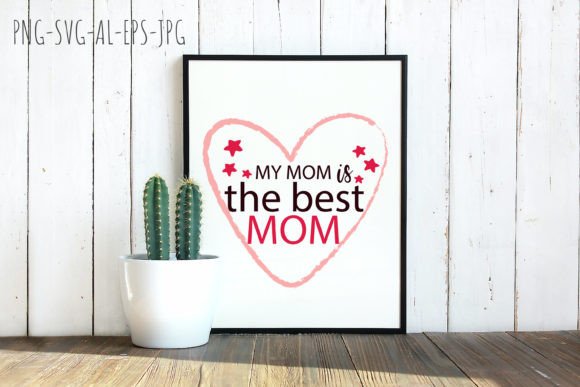
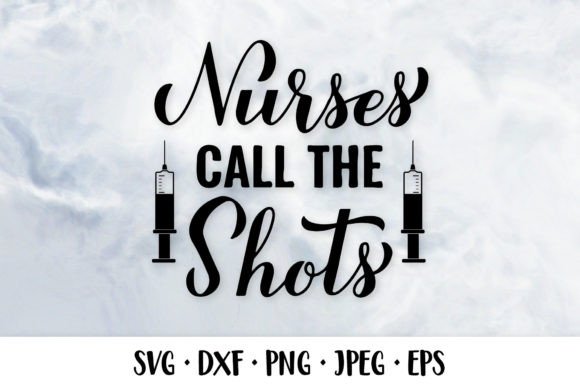
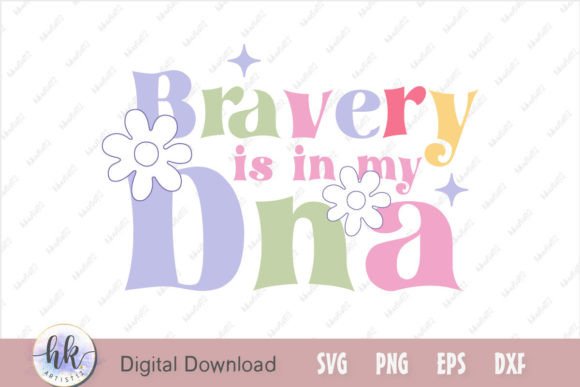
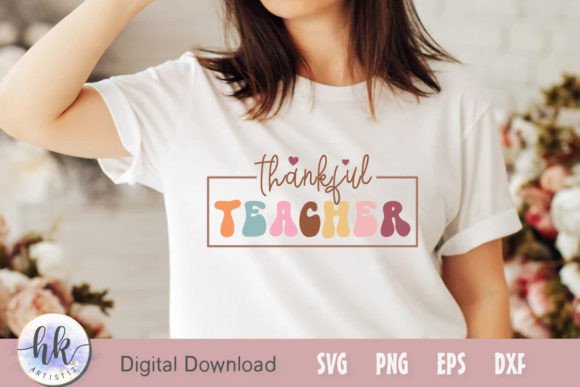
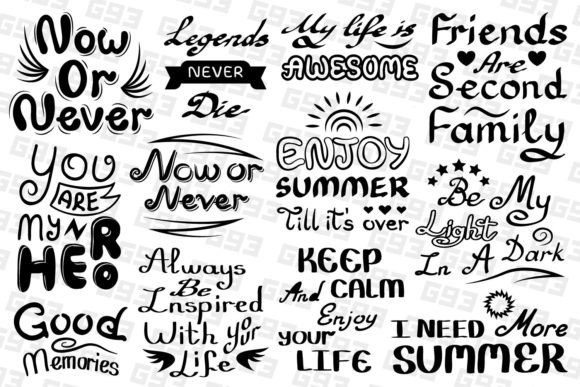
As a designer who has spent years translating digital concepts into thread, I have learned that not every pretty graphic translates well to fabric. When I first opened the Quotes Lettering Designs package, my immediate reaction was one of cautious optimism. The collection features hand lettering modern vector quotes illustrations that feel contemporary and clean. However, seeing them on a screen is vastly different from watching a needle punch through cotton or fleece. This review breaks down how these Illustrations and Graphics hold up when moved from a digital file to a tangible embroidery project.
First Impressions and Visual Mood
The aesthetic of this set is undeniably modern. The lines are fluid, avoiding the rigid structure of traditional serif fonts in favor of a more organic, human touch. For an Etsy seller or craft business owner, this mood is crucial. It signals approachability and warmth, which aligns perfectly with current trends in home decor and personalized apparel. The layout of each quote feels balanced, with intentional spacing that suggests the designer considered readability. In embroidery, negative space is just as important as the stitch itself, and these designs seem to respect that balance.
What stands out most is the versatility of the visual personality. These are not overly ornate, which means they do not demand excessive stitch density to look good. This is a significant advantage for anyone working with standard home embroidery machines or running a small production line where time and thread costs matter.
Real-World Application: The Tote Bag Test
To truly evaluate Quotes Lettering Designs, I imagined a specific scenario: creating a batch of custom tote bags for a local bookstore’s holiday sale. Tote bags are typically made from canvas or heavy cotton, fabrics that can be unforgiving if the design is too dense or the stabilizer is wrong. I selected a shorter, punchy motivational quote from the set to test the concept.
The result was promising. Because the lettering is relatively open, it allowed the texture of the canvas to show through slightly, giving the finished product a high-end, boutique feel rather than a mass-produced look. For a small shop product, this distinction is vital. Customers often equate visible fabric texture with quality in handmade goods. If I were using a dense fill stitch background, the bag might have felt stiff. Instead, the airy nature of these design assets kept the fabric soft and functional.
Performance Across Different Products
Beyond tote bags, I evaluated how these designs would perform on other common items. For sweatshirt embroidery, the larger scale of the quotes works well on the back or chest. The hand-lettered style complements the casual nature of fleece and cotton blends. However, one must be careful with thread colors. On dark fabrics, a light thread is necessary for contrast, but on heathered grey or navy, the thin lines of some letters might get lost if the color choice is too subtle.
For baby embroidery, such as onesies or burp cloths, simplicity is key. Babies move, and parents wash items frequently. Designs with excessive detail or tiny serifs can unravel or look messy after a few cycles. The cleaner lines in this set make them a safer bet for infant wear, provided the hoop size is appropriate and the stitching is secure. Similarly, for embroidered patch creation, these quotes could work if scaled correctly, though the lack of a solid border means the edge finishing must be precise to prevent fraying.
Challenges with Textured and Stretchy Fabrics
While the designs are versatile, they are not without challenges. When working with stretchy fabrics like jersey knits for t-shirts, the open spaces in hand lettering can cause puckering if the stabilizer is not robust enough. A cut-away stabilizer is often recommended here to support the fabric during and after stitching. Additionally, on highly textured fabrics like terry cloth towels, the finer details of the lettering might sink into the pile. In such cases, using a water-soluble topping can help keep the stitches on the surface, ensuring the machine embroidery design remains legible.
Curved surfaces, such as caps, present another hurdle. The distortion inherent in sewing on a curved brim can warp the proportions of hand-lettered text. I would advise testing these designs on a cap dummy or scrap piece before committing to a final custom apparel piece. What looks straight on a flat printable mockup may appear skewed once stitched onto a structured hat.
Enhancing Brand Value and Customer Trust
From a business perspective, the quality of your digital embroidery file directly impacts perceived value. Sloppy lettering or poorly digitized curves can make a personalized gift look amateurish. Quotes Lettering Designs offers a level of polish that supports brand consistency. When customers see clean, well-executed typography on a holiday embroidery item or a wedding gift, it builds trust. It suggests that the maker cares about details.
For those selling commercial embroidery services, having a library of reliable, modern quotes allows for faster turnaround times. You are not spending hours tweaking nodes or fixing overlaps. This efficiency can translate to better profit margins and happier clients. Furthermore, these designs work well for social media previews. A crisp, clear image of the quote on a mug or poster helps drive engagement online, even if the final product is stitched.
Practical Notes for the Embroiderer
Before you load these Graphics into your machine, consider these practical steps:
- Test on Scrap Fabric: Always stitch a sample on the same type of fabric you intend to use for the final product. This reveals issues with tension and density.
- Check Thread Contrast: Hand lettering relies on shape. Ensure your thread color contrasts sufficiently with the fabric background to maintain legibility.
- Review Stitch Types: Determine if the design uses satins stitch, running stitch, or fills. Satins provide shine and definition, while running stitches offer a subtle, sketch-like quality. Choose based on the desired effect.
- Verify Licensing: If you plan to sell items made with these designs, confirm the license terms. Some design assets allow for physical sales but restrict digital redistribution.
- Inspect Small Details: Zoom in on the digital file. Look for any tiny elements that might not stitch out cleanly at smaller sizes. If a letter is too thin, it may break or look sparse.
In conclusion, Quotes Lettering Designs is a strong addition to any designer’s toolkit. It bridges the gap between modern graphic trends and the tactile requirements of embroidery. While it requires thoughtful application regarding fabric choice and stabilization, its potential for creating high-value, appealing products is significant. Whether you are making a single personalized gift or stocking inventory for a small shop product line, these designs offer the clarity and style needed to succeed in today’s market.