Reviewing Smile Please SVG for Embroidery Projects
As a designer who spends half my life digitizing and the other half stitching, I have learned that not every digital file translates well to thread. When I first pulled up Smile Please SVG, my initial reaction was one of cautious optimism. The phrase itself carries a warm, inviting energy, perfectly suited for the current trend of kindness-focused decor and apparel. However, seeing a vector on a screen is vastly different from watching a needle punch through fabric. This review breaks down how this specific graphic holds up when moved from the realm of general Crafts into the precise world of machine embroidery.
First Impressions and Visual Personality
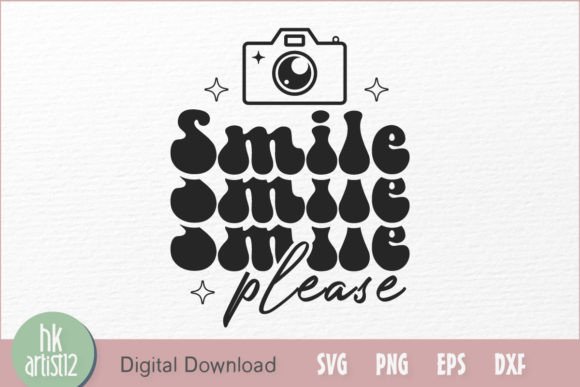
The design centers around a positive, inspirational quote. In the world of Graphics, typography is king, but in embroidery, spacing is queen. My first observation was the layout. The text appears balanced, with a friendly, approachable font style that avoids overly thin serifs or intricate swashes that often cause thread breaks. The mood is undeniably cheerful, making it an instant candidate for gifts that need to convey warmth without being overly sentimental.
For an Etsy seller or small shop product creator, visual appeal is the primary driver of clicks. This design offers high recognition value. It does not clutter the visual field, which is crucial for maintaining professionalism in custom apparel. The simplicity suggests that it will stitch out cleanly, provided the digitizer has accounted for proper pull compensation.
Real-World Application: The Tote Bag Test
To truly evaluate Smile Please SVG, I imagined a real-life scenario: preparing a custom embroidered tote bag for a local boutique. Tote bags are notoriously tricky due to their woven texture and lack of inherent stability. I envisioned placing this design on a heavy canvas tote. Because the quote is relatively short and impactful, it serves as an excellent focal point.
In this context, the design acts as more than just decoration; it becomes a statement piece. For a handmade product line, consistency is key. If I were building a brand around positivity, this asset would fit seamlessly alongside other design assets in my library. It works well for printable mockup previews because its clean lines translate clearly even in low-resolution thumbnails, helping potential buyers visualize the finished product before purchase.
Versatility Across Products
Beyond totes, I evaluated where else this quote could shine. It is naturally suited for:
- Sweatshirt embroidery: The bold nature of the text stands out against fleece or cotton blends.
- Baby embroidery: Soft pastels paired with this gentle message make for a cherished personalized gift.
- Kitchen towels: A practical item that benefits from a cheerful reminder during daily chores.
- Holiday embroidery: Perfect for back-to-school gifts or Valentine’s Day items focusing on self-love.
However, versatility requires caution. While the description mentions use for mugs and stickers, as an embroidery reviewer, I focus on textile applications. The transition from a flat digital file to a curved surface like a cap requires careful hoop selection.
Technical Considerations for Stitching
When working with any machine embroidery design, technical execution determines the quality of the result. Here is how Smile Please SVG performs under scrutiny.
Stitch Density and Thread Choice
Text-based designs rely heavily on satin stitch or narrow fill stitch columns. If the letters are too thin, they may look sparse on textured fabrics. I recommend testing this design with a slightly higher density if using fluffy towels, or reducing density for delicate silks. Thread color contrast is vital here; a monochromatic look might lose the legibility of the quote, so choosing contrasting thread colors against the fabric texture is essential.
Hoop Size and Placement
Before loading the embroidery file, confirm your hoop size. While the design is likely compact, ensuring it fits within a 4x4 or 5x7 hoop allows for flexibility. For larger items like aprons or pillow covers, you might want to scale it up, but be wary of distorting the font proportions. Always check the aspect ratio after resizing.
Fabric Challenges
Stretchy fabrics pose a risk for text designs. Without proper stabilizer, the letters can pucker or shift. I advise using a cut-away stabilizer for garments that will undergo frequent washing, such as t-shirts and sweatshirts. For woven items like tote bags, a tear-away may suffice, but testing on scrap fabric is non-negotiable.
Commercial Viability and Brand Trust
For commercial embroidery projects, the clarity of the design impacts customer trust. A blurry or poorly stitched quote looks amateurish. Smile Please SVG, when digitized correctly, enhances brand consistency. It signals that the maker cares about detail. For craft business owners, this means fewer returns and higher customer satisfaction.
When listing this as a digital embroidery file or selling finished items, transparency about the design’s limitations builds credibility. If the design includes small details, warn customers about minimum sizes. This honesty fosters long-term buyer engagement.
Practical Designer Notes
Before committing to a full production run or gifting project, follow these steps:
- Test on Scrap Fabric: Never skip this step. Check for thread breaks and registration issues.
- Check Licensing: The product description mentions crafting projects, but always verify if commercial use is permitted for selling finished goods.
- Mockup in Black and White: This helps identify density issues without the distraction of color.
- Inspect Small Details: Ensure tiny dots or apostrophes are not too small to stitch reliably.
- Compare Backgrounds: Test the design on both light and dark fabrics to ensure visibility.
In conclusion, Smile Please SVG is a strong contender for makers looking to add a touch of positivity to their repertoire. It bridges the gap between simple Crafts and professional-grade Graphics when handled with technical care. Whether you are creating an embroidered patch for a jacket or a tote bag design for a market stall, this design offers a reliable foundation. Just remember that the magic lies not only in the file itself but in the skillful execution of the stitch.