Stop Petting My Peeves SVG: A Designer’s Review
As someone who has spent years translating digital vectors into tangible thread, I approach every new machine embroidery design with a mix of excitement and skepticism. We have all been there: you find a cute graphic online, digitize it or convert it, and realize too late that the details are too fine for the hoop or the text is illegible on textured fabric. That is why I took a close look at the Stop Petting My Peeves SVG Cut File. While this product is technically marketed under Crafts and Graphics for cutting machines, its potential as a foundation for embroidery projects is worth evaluating for serious makers.
First Impressions: Mood and Visual Personality
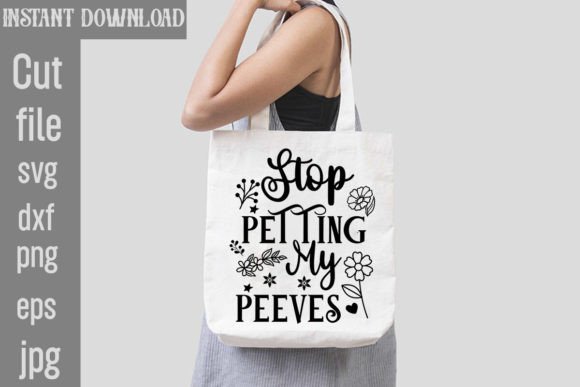
The phrase "Stop Petting My Peeves" immediately sets a tone that is humorous, slightly sassy, and relatable. It captures that universal feeling of minor irritations piling up. Visually, the design relies on strong typography and likely includes illustrative elements that complement the text. For an embroidery designer, the first thing I check is the balance between negative space and filled areas. This design feels like it belongs in the realm of casual, everyday wear rather than formal decor. It has a personality that screams "custom apparel" for people who want to express their mood without being overly aggressive.
The layout appears clean, which is crucial when we move from screen to stitch. If the original vector has smooth curves and distinct separations between letters, it translates well to satin stitches or fill stitches. However, if there are intricate, tiny details, we need to be cautious. The visual appeal here lies in its readability. A good embroidery file must communicate its message instantly, even from a few feet away.
Real-World Application: From Digital Asset to Finished Product
I recently considered using a similar typographic concept for a custom order of tote bags for a local boutique. The client wanted something witty but professional enough for daily use. This is where Stop Petting My Peeves SVG Cut File shines as a starting point. Imagine this design stitched onto a heavy canvas tote bag design. The boldness of the message pairs perfectly with the durability of canvas. It becomes more than just a bag; it becomes a conversation starter.
Beyond totes, think about sweatshirt embroidery. A crewneck sweatshirt provides a large, stable surface area ideal for medium-to-large designs. The humor of the phrase fits the cozy, relaxed vibe of loungewear. For Etsy sellers and small shop product creators, this type of design appeals to buyers looking for personalized gifts that feel authentic. It is not just a generic "Hello World" placeholder; it has specific emotional resonance.
For those running a craft business, versatility is key. This design could easily be adapted for aprons in a kitchen setting, adding a touch of humor to cooking chores. It could also work on pillow covers for a living room that doesn’t take itself too seriously. The key is matching the sentiment of the design with the function of the item. A funny phrase on a serious business blazer might miss the mark, but on a casual cap or a beach towel, it lands perfectly.
Technical Considerations for Embroiderers
Here is the critical part for my fellow designers: this product is a digital download containing SVG, DXF, EPS, and PNG files. It is not a pre-digitized embroidery file (like PES or DST). This means you cannot simply load it into your machine and hit start. You must use embroidery software to convert these vector graphics into stitch data. This is both a challenge and an opportunity.
When converting the SVG File for Cricut or the DXF File for Silhouette into an applique design or standard embroidery, pay close attention to stitch density. Text-based designs can become dense quickly if you use thick fill stitches. I recommend using a combination of satin stitches for smaller text and lighter fill stitches for larger graphical elements. Always check the hoop size compatibility. If you plan to put this on a curved surface like a cap, ensure the design width fits within your cap frame without distortion.
Fabric choice matters immensely. On smooth cotton or polyester blends, the design will look crisp. However, on textured fabrics like terry cloth towels or fuzzy fleece, small details may get lost. If you are stitching on dark fabric, consider using a light-colored underlay or choosing high-contrast thread colors. A white or bright yellow thread on navy blue creates excellent visibility for the text.
Where to Use Caution
Not every project is suitable for this design. Avoid using it on very stretchy fabrics without proper stabilization, as the text can warp and become unreadable. Be careful with tiny lettering if you are downsizing the design for a small patch or a baby item. Baby embroidery requires softer threads and simpler shapes to ensure comfort and durability. If the original SVG has very thin lines, they may break or look sparse when stitched out. Always test on scrap fabric first.
Also, consider the washing instructions. Items like kitchen towel or aprons undergo frequent laundering. Ensure your stitch density is secure and that you use a high-quality stabilizer to prevent puckering over time. A poorly stabilized text design can look amateurish after just a few washes, hurting your brand reputation.
Enhancing Brand Value and Customer Trust
For commercial embroidery professionals, the quality of your finished product directly impacts customer trust. Using a well-structured vector like Stop Petting My Peeves SVG Cut File allows you to create consistent, high-quality design assets. When customers see clean edges, balanced spacing, and durable stitching, they perceive higher value. This leads to better reviews and repeat business.
Creating printable mockup previews using the included PNG File Transparent Background, 300 Dpi can help you market your items effectively before you even stitch a single thread. Show potential buyers how the design looks on a mug, a shirt, or a tote. This visual proof helps bridge the gap between digital Graphics and physical handmade product expectations.
Practical Designer Notes
- Test First: Always stitch a sample on the actual fabric you plan to use. Check for registration issues and thread breaks.
- Check Contrast: View your design in black and white to ensure the shape holds up without color reliance.
- Licensing: Since this is a digital cut file, confirm the license terms for commercial use if you plan to sell finished items. Most SVG creators allow physical sales but restrict digital resale.
- Digitizing Tips: When converting the EPS File Vector, simplify nodes where possible to reduce unnecessary stitch jumps. Use auto-digitizing tools with caution; manual adjustment often yields better results for text.
- Stabilizer Choice: Use cut-away stabilizer for stretchy garments and tear-away for stable woven fabrics to maintain design integrity.
In conclusion, Stop Petting My Peeves SVG Cut File is a versatile asset for designers who understand the translation process from vector to stitch. It offers a fun, relatable theme that fits well in the current market for personalized, humorous goods. By paying attention to technical details like density, fabric texture, and stabilization, you can turn this simple graphic into a standout embroidery project that delights customers and enhances your portfolio.