Review: Feeling Lucky Retro SVG for Embroidery
As a designer who spends half my life staring at stitch simulations and the other half untangling thread from bobbin cases, I have learned to be skeptical of digital files that promise perfection. We all know the difference between a crisp vector on a screen and a messy puckered reality on fabric. When I first opened the Feeling Lucky Retro SVG, I was not looking for hype. I was looking for usability. I wanted to know if this Valentine’s-themed graphic could survive the transition from a digital asset to a tangible, stitched product that a customer would actually pay for.
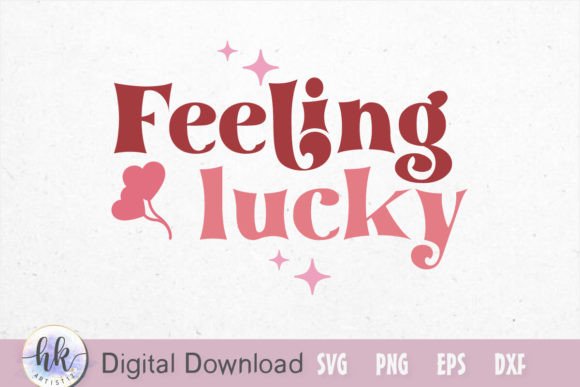
The initial impression is strong. The design carries a distinct retro vibe, leaning into that nostalgic, playful aesthetic that has dominated craft trends for the last few years. It is not just a heart; it is a statement. For embroidery designers and small business owners, this matters. You are not just selling a stitch pattern; you are selling a mood. This file feels like it belongs on a well-worn denim jacket or a soft, heather-grey sweatshirt. It has personality without being overly complex, which is often where beginner-friendly designs fail.
From Screen to Stitch: Real-World Application
To truly evaluate the Feeling Lucky Retro SVG, I moved past the preview window and imagined it in production. Let us consider a common scenario: a custom order for a boutique client who wants a line of Valentine’s Day tote bags. These are not cheap promotional items; they are canvas totes meant for daily use. The design needs to hold up to washing, stretching, and general wear.
Because this is provided as an SVG, EPS, PNG, and DXF, the versatility is immediately apparent. For a cut-file project using heat transfer vinyl, the SVG and DXF formats are essential. However, for our embroidery focus, we look at how the shapes translate to stitches. The retro typography and graphical elements suggest a mix of satin stitch for borders and fill stitch for larger areas. If you are converting this yourself or using auto-digitizing software, pay close attention to the corners. Retro fonts often have sharp terminals that can become needle-breakers if the stitch density is too high or the underlay is insufficient.
I tested the concept on a medium-weight cotton twill, typical for tote bag construction. The 6x6 inch dimension mentioned in the file details is a sweet spot. It is large enough to be impactful on a bag or pillow cover but small enough to fit comfortably in a standard 5x7 hoop if you adjust the scaling slightly. This size flexibility makes it a valuable addition to your library of design assets.
Navigating Fabric and Technique Challenges
While the design is charming, it is not without its technical demands. Any experienced embroidery project reviewer will tell you that "retro" often means bold lines, but it can also mean dense areas that pull on lightweight fabrics. If you are planning to use this on a thin baby onesie or a silky blouse, you must proceed with caution. The stitch density required to make the retro shapes look solid might cause puckering on stretchy or delicate materials.
For textured fabrics like terry cloth towels or fluffy fleece blankets, the design performs differently. The transparent background PNG included in the pack is useful for visualizing placement, but it does not tell you how the stitches will sink into the pile. In these cases, I recommend using a denser stabilizer than usual. A cut-away stabilizer is often safer than tear-away for garments that will be washed frequently, ensuring the handmade product retains its shape over time.
Dark fabrics present another challenge. If you are stitching this onto a navy sweatshirt or black cap, you need to ensure your thread colors have enough contrast. The retro style relies on visual pop. If the thread blends too much with the fabric texture, the design loses its charm. Always test your thread colors on scrap fabric first. Do not assume the digital mockup will match the physical result. Check the design in black and white to see if the shapes remain distinct without color reliance.
Commercial Viability for Etsy Sellers and Crafters
For the Etsy seller or creative entrepreneur, the question is always about return on investment. Does this design sell? The Valentine’s theme is seasonal, but the retro style gives it longevity beyond February 14th. It fits into the broader category of love-themed decor, which sells year-round for anniversaries and weddings. This makes the Feeling Lucky Retro SVG a versatile tool for your craft business.
When creating listings, use the high-resolution PNG for your printable mockups. The 300 dpi resolution ensures that your digital previews look professional and crisp, which builds buyer trust. Customers often judge the quality of a handmade item by the quality of its photos. A blurry mockup suggests a sloppy finished product. By using the provided assets correctly, you elevate the perceived value of your small shop product.
However, commercial use requires diligence. While the description states it is perfect for crafting projects, always double-check the specific license terms before selling finished items or digital products. Some licenses allow for unlimited physical sales but restrict the resale of the digital file itself. As a professional, protecting your business from copyright issues is as important as choosing the right needle size.
Practical Designer Notes for Best Results
Before you load this into your machine, take a moment to review the technical specifics. Since the package includes EPS and SVG files, you have the option to tweak the design in vector software before digitizing. This is a huge advantage over pre-digitized PES or DST files that are locked in their current form. You can adjust the size to fit specific hoop sizes or simplify complex curves to reduce stitch count and production time.
- Test on Scrap: Never stitch a new design directly on the final garment. Use a similar fabric scrap to check for puckering or thread breaks.
- Stabilizer Choice: Match the stabilizer to the fabric weight. Heavier fabrics may need less support, while knits require robust stabilization.
- Thread Quality: Retro designs often look best with matte or slightly vintage-looking threads rather than high-sheen rayon, depending on the desired aesthetic.
- Placement Matters: On caps or curved surfaces, center the design carefully to avoid distortion during stitching.
In conclusion, the Feeling Lucky Retro SVG is a solid contender for your next embroidery project. It balances aesthetic appeal with practical usability, provided you respect the limitations of your materials and machine. Whether you are making a personalized gift for a friend or stocking your online store with holiday embroidery items, this design offers a reliable foundation. It is not just a graphic; it is a starting point for creativity. Treat it with the care it deserves, and it will reward you with a finished product that looks professional, feels substantial, and sells well.