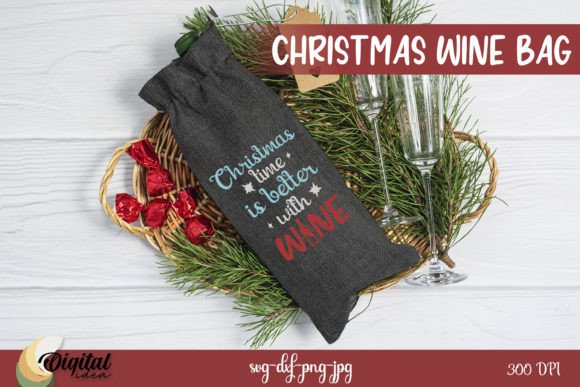
Reviewing Christmas Time with Wine for Holiday Embroidery
As an experienced designer who has spent countless hours digitizing and testing embroidery patterns, I approach every new machine embroidery design with a critical eye. It is not just about whether the image looks cute on a screen; it is about how it translates to thread, fabric, and ultimately, the hands of the customer. Recently, I evaluated Christmas Time with Wine, a graphic asset that bridges the gap between digital crafting and textile art. This review breaks down its potential for real-world application, specifically for those of us running craft businesses or creating personalized gifts.
First Impressions and Visual Personality
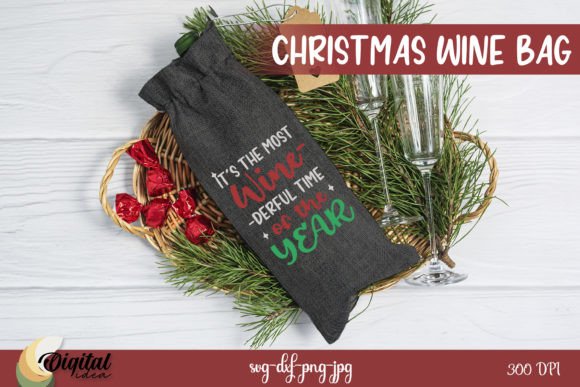
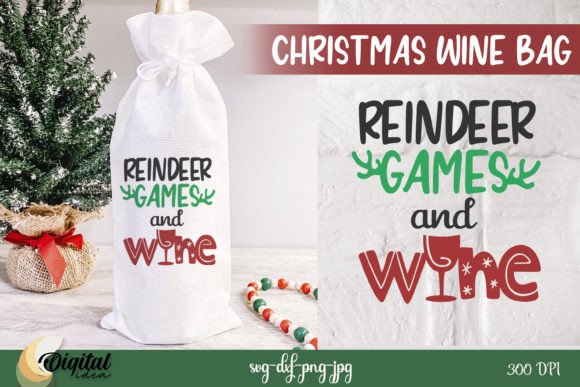
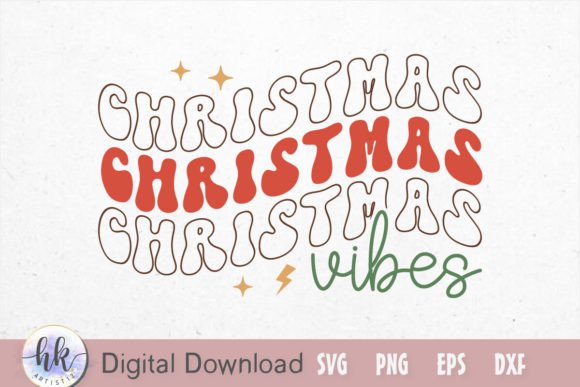
The initial appeal of Christmas Time with Wine lies in its thematic clarity. It captures a specific mood: relaxed, celebratory, and distinctly seasonal without relying on cliché overload. For embroidery designers, this balance is crucial. Overly complex holiday designs often become muddy when stitched out, losing their charm under the weight of dense fill stitches. This design, however, suggests a layout that respects negative space. The typography and accompanying graphics appear structured to maintain legibility, which is vital when working with an embroidery file intended for smaller items like tote bags or kitchen towels.
The visual personality feels mature yet playful. It does not scream "children’s decor," which broadens its marketability. Instead, it fits comfortably into the aesthetic of boutique home goods and adult holiday apparel. When I visualize this as a finished product, I see it appealing to customers looking for sophisticated holiday hosting accessories or witty gift ideas for friends who appreciate a good vintage.
Real-World Application Scenarios
To truly understand the value of a design, we must imagine it in use. I recently considered this concept while preparing a batch of custom merchandise for a local holiday market. The scenario involved creating a set of coordinated items for a boutique client who specializes in hostess gifts. Here is how Christmas Time with Wine performs across different mediums:
- Tote Bag Design: This is perhaps the most natural fit. A canvas tote provides a stable, flat surface that handles stitch density well. The design would serve as a focal point, turning a simple bag into a statement piece for grocery runs or gift carrying.
- Sweatshirt Embroidery: Placing this on the left chest of a high-quality fleece sweatshirt creates a subtle, branded look. It avoids the bulkiness of large back prints, making it comfortable and stylish for casual winter wear.
- Kitchen Towels and Aprons: For the home cook, this design adds a touch of humor and festivity to functional items. However, attention must be paid to the stabilizer choice to ensure the fabric does not pucker after repeated washing.
- Embroidered Patch: Creating a standalone patch allows for versatility. Customers can iron or sew it onto jackets, hats, or existing bags, extending the life and utility of the design assets.
For Etsy sellers and small shop owners, this versatility is a significant advantage. It allows you to create multiple product listings from a single purchase, maximizing the return on investment for your digital embroidery file.
Technical Considerations for Stitching
While the aesthetic is strong, the technical execution requires careful planning. As a reviewer, I always advise checking the specifics of the file formats provided. The product description notes that a zip folder includes SVG, DXF, EPS, PDF, JPEG, and PNG files. It is important to clarify that SVG, DXF, and EPS are typically vector graphics used for cutting machines or print, while JPEG and PNG are raster images. For machine embroidery, you usually need specific stitch files (such as PES, DST, or JEF) compatible with your machine. If these are not explicitly listed, you may need to use digitizing software to convert the vector shapes into stitch data, or confirm with the seller if machine-ready files are included in a different package.
Assuming you are working with a digitized version of this graphic, consider the following technical factors:
- Stitch Density and Type: If the design includes solid areas, ensure they use appropriate fill stitch patterns that do not pull the fabric. For text elements, a satin stitch often provides a cleaner, more professional finish than a thin fill, but it requires precise tension settings.
- Fabric Texture: Textured fabrics like terry cloth or heavy linen can obscure fine details. Test the design on scrap fabric first. If the lines are too thin, they may get lost in the pile of the fabric. In such cases, increasing the stroke width or using a contrasting thread color can improve visibility.
- Hoop Size Constraints: Always confirm the required hoop size. If the design is large, it may not fit standard 4x4 hoops, requiring a 5x7 or larger frame. This impacts which products you can realistically produce.
- Dark Fabric Challenges: If stitching on dark navy or black garments, ensure the design includes enough light-colored elements or uses a bright underlay to prevent the background fabric from showing through the stitches.
Enhancing Brand Value and Customer Trust
Using high-quality, well-thought-out designs like Christmas Time with Wine directly impacts your brand perception. When a customer receives a personalized gift that is neatly stitched, with no loose threads or distorted shapes, it builds trust. It signals that you care about quality control. For commercial embroidery projects, consistency is key. If this design becomes part of your seasonal collection, ensure that the thread colors match your brand palette. This creates a cohesive look across your small shop product line, making your items instantly recognizable.
Moreover, the "giftability" factor is high. Items featuring this design are not just products; they are conversation starters. They evoke a sense of warmth and celebration, which encourages buyers to purchase them as presents for others. This emotional connection drives engagement and can lead to repeat customers who return for future holiday seasons.
Practical Designer Notes
Before launching any product featuring this design, take these practical steps:
- Test on Scrap Fabric: Never stitch directly on your final garment. Use similar material to check for puckering or thread breaks.
- Check Thread Contrast: View your mockup in black and white. If the design disappears, you need higher contrast between the thread and the fabric.
- Verify Licensing: Since this falls under Crafts and Graphics, confirm the license terms. Can you sell finished physical items? Can you use the digital files for print-on-demand? Clear licensing prevents legal issues down the road.
- Inspect Small Details: Zoom in on the digital file. Are there tiny elements that might cause needle jumps or breaks? Simplify if necessary.
In conclusion, Christmas Time with Wine offers a charming and commercially viable option for holiday embroidery projects. With careful attention to technical details and fabric selection, it can elevate your handmade product offerings and delight your customers. Whether you are an apparel decorator or a hobbyist making gifts for friends, this design holds promise for creating memorable, high-quality items.