Reviewing Thankful for Everything SVG for Embroidery
As a designer who spends half my life staring at digitized paths and the other half pulling threads out of jammed machines, I approach every new machine embroidery design with a healthy dose of skepticism. We have all been there: you download a file that looks pristine on the screen, only to watch it turn into a bird’s nest of tangled thread on your favorite hoodie. That is why when I pulled up Thankful for Everything SVG, I did not just look at the pretty preview. I looked at the structure, the potential pitfalls, and the real-world application for my craft business.
This graphic falls squarely into the seasonal Crafts category, but its utility extends far beyond a single holiday. The theme is universal gratitude, which makes it a perennial seller for Etsy sellers and small shop owners who need versatile design assets. Let us break down how this file performs when it leaves the digital realm and hits the fabric.
First Impressions and Visual Personality
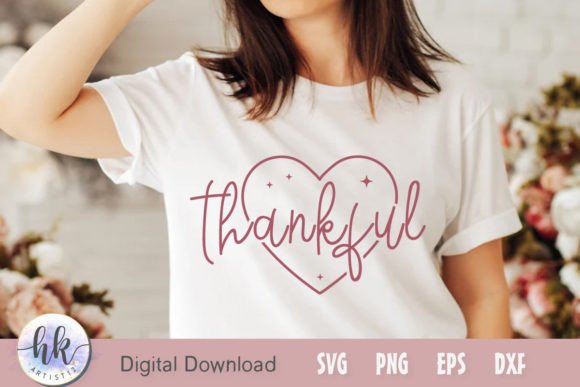
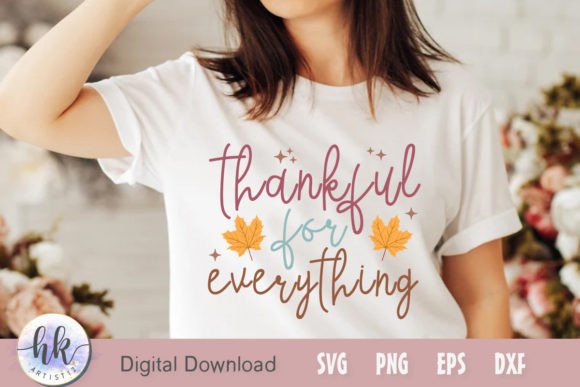
The first thing I noticed about Thankful for Everything SVG is its balanced layout. It does not scream for attention with overly complex flourishes that are impossible to stitch cleanly. Instead, it offers a clean, readable aesthetic that translates well to textile mediums. The mood is warm and inviting, perfect for creating a sense of home and comfort. For an embroidery project, clarity is king. If the letters are too thin or the shapes too dense, the final product loses its charm. This design strikes a nice middle ground, offering enough detail to look professional without demanding an hour of machine time per item.
When evaluating graphics for embroidery, I always check how the elements interact. Are there tiny isolated islands of color that will require excessive jumping? Does the text have sufficient weight to hold a satin stitch or fill stitch? From what I can see in the provided files, the design appears robust enough to handle standard thread weights without losing definition.
Real-World Application: The Tote Bag Test
To truly test a design, you have to imagine it on a specific product. I envisioned using Thankful for Everything SVG on a heavy canvas tote bag. This is a staple item for any handmade product line. Canvas has a distinct texture, and the weave can sometimes swallow up fine details. However, because this design relies on strong shapes and legible typography, it stands up well against the rougher fabric texture.
I also considered it for sweatshirt embroidery. A crewneck sweatshirt provides a stable, flat surface that is ideal for larger designs. The 6x6 inch dimension mentioned in the file description is a sweet spot here. It is large enough to make a statement on the chest or back but small enough to fit comfortably within a standard 5x7 or 6x10 hoop. For a boutique branding effort, placing this on the left chest area creates a subtle, high-end look that customers appreciate. It feels less like a billboard and more like a personalized gift.
Versatility Across Product Lines
Beyond totes and sweaters, this design has legs in other areas. Consider baby embroidery. Soft cotton onesies or burp cloths benefit from designs that are not overly dense, as babies have sensitive skin. While I would recommend checking the stitch density carefully, the open nature of many thanksgiving-themed graphics usually allows for breathable stitching. It also works beautifully for kitchen towels or aprons, adding a festive touch to holiday hosting gear. For those selling digital embroidery files, this type of versatile graphic is a strong addition to a fall collection.
Technical Considerations and Stitching Strategy
Now, let us talk about the technical side. You will receive 1 EPS, 1 SVG, 1 PNG file resolution 300 dpi, and 1 DXF. It is crucial to understand what these formats mean for your workflow. The SVG and DXF are vector-based, which is excellent for resizing without losing quality before you digitize or if you are using cut machines alongside embroidery machines. The PNG with a transparent background is vital for creating printable mockups or listing images for your Etsy seller shop.
However, a word of caution: if you are converting these vectors into an embroidery file yourself, pay close attention to stitch density. Do not assume the default settings will work. For dark fabric, you may need an underlay stitch to prevent the garment color from showing through. For stretchy fabric like jersey knits, a proper stabilizer is non-negotiable. I always recommend testing the design on scrap fabric first. Run it in black and white initially to check for thread breaks or nesting issues before committing to your premium thread colors.
Navigating Challenging Surfaces
Where should you use this design carefully? Curved surfaces like caps can be tricky. The 6x6 inch size might be too wide for a standard cap hoop, so you may need to scale it down. If you shrink it too much, the tiny details in the lettering could become indistinct. Always inspect small details after scaling. Additionally, avoid placing dense stitch areas on thin fabrics without a tear-away or cut-away stabilizer backing, as the tension can pucker the material and ruin the finished product.
Commercial Value and Brand Consistency
For commercial embroidery projects, consistency is key. Using a design like Thankful for Everything SVG helps build brand recognition. It signals to your customers that you offer thoughtful, high-quality items. Whether it is a wedding gift, a holiday present, or a custom apparel order, the perceived value of a well-stitched design is high. Customers trust clean lines and clear messaging. A messy or poorly digitized design erodes that trust instantly.
From a marketing perspective, this graphic lends itself well to social media content. The transparent PNG allows you to overlay the design on lifestyle photos for your online store. It enhances the visual appeal of your listings without requiring you to stitch every single sample immediately. This efficiency is a huge advantage for small business owners managing inventory and production timelines.
Final Designer Notes
Before you launch this into your next production run, keep these practical tips in mind:
- Check Licensing: Confirm whether the license allows for commercial use of finished physical items versus digital redistribution. Most craft business licenses allow selling stitched goods but prohibit reselling the file itself.
- Thread Contrast: Test high-contrast thread colors first. A gold thread on a navy sweatshirt pops beautifully, while a beige thread on a cream tote might disappear.
- Hoop Size Confirmation: Ensure your machine’s hoop can accommodate the 6x6 inch area. If you only have a 4x4 hoop, you will need to split the design or reduce it significantly, which may impact readability.
- Fabric Prep: Always pre-wash garments to account for shrinkage. Nothing ruins a personalized gift like a shrunken sleeve pulling at the embroidery.
In conclusion, Thankful for Everything SVG is a solid contender for your autumn and winter catalog. It balances aesthetic appeal with practical stitchability. By respecting the technical requirements of embroidery—stabilizer choice, thread tension, and fabric suitability—you can turn this simple graphic into a standout piece for your handmade product line. It is not just about putting thread on cloth; it is about creating something that feels intentional and valuable. This design gives you the foundation to do exactly that.