Reviewing the Ace Baseball Pitcher Design for Real Embroidery
As a designer who spends half my life staring at stitch previews and the other half troubleshooting thread breaks, I have learned that not every graphic translates well to fabric. When I first pulled up the Baseball, Ace Baseball Pitcher design, my immediate reaction was one of cautious optimism. The silhouette is bold, which is usually a good sign for embroidery, but the devil is always in the details. This isn’t just about whether the image looks cute on a screen; it is about how those lines hold up under the needle, how the thread interacts with the fabric, and whether the final product will survive a wash cycle without losing its identity.
First Impressions and Visual Personality
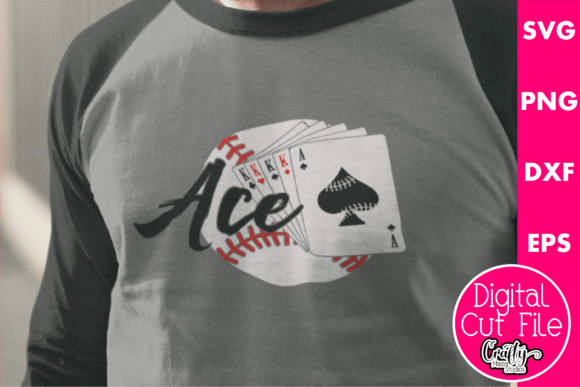
The mood of this piece is energetic and classic. It captures the dynamic motion of a pitch without relying on excessive clutter. For an embroidery project, this simplicity is a virtue. Complex gradients and tiny text often turn into muddy blobs when stitched out, especially on textured materials. The Baseball, Ace Baseball Pitcher relies on strong outlines and recognizable shapes. This visual personality suggests it belongs on items that need to make a quick impact, like team gear or spirited fan apparel. It feels less like a delicate decorative accent and more like a statement piece, which dictates where I would place it in a product line.
Real-World Application: The Custom Sweatshirt Test
To truly evaluate a design, you have to imagine it on a specific product. I recently worked on a custom order for a local little league team needing personalized gifts for their coaches. I considered using this design on a heavyweight cotton sweatshirt. The thickness of the fleece provided a stable base, allowing the fill stitches to sit flat without puckering. The result was crisp. The contrast between the white thread and the navy fabric made the pitcher’s form pop. This is a prime example of how the right fabric choice can elevate a simple graphic into a high-value handmade product.
However, the versatility extends beyond apparel. I could easily see this working as a tote bag design for a sports mom’s gear bag. The durability of canvas pairs well with dense stitching, ensuring the design withstands the weight of cleats and water bottles. For Etsy sellers looking to expand their catalog, this graphic offers a bridge between seasonal sports merchandise and year-round athletic pride. It is not limited to baseball season; it serves as a general tribute to the sport’s most pivotal position.
Navigating Technical Challenges
While the design is strong, there are areas where a machine embroidery operator needs to exercise caution. The primary concern with any silhouette-style graphic is stitch density. If the original file is optimized for vinyl cutting rather than stitching, it may lack the necessary underlay or proper stitch angles. Before committing to a client’s garment, I always advise running a test on scrap fabric. This allows you to check if the satin stitch edges are too wide, which can cause snagging, or if the fill stitch is too dense, leading to stiffness.
Curved surfaces present another hurdle. Placing this design on a cap requires careful hooping and possibly a different digitizing approach than a flat t-shirt. The brim of a cap distorts perspective, so the pitcher’s arm angle might look off if not centered perfectly. Additionally, small details can get lost on textured fabrics like terry cloth towels or pique polo shirts. In these cases, simplifying the design or increasing the outline thickness might be necessary to maintain clarity. Always inspect the small corners and sharp points in your preview software to ensure the needle can physically execute the turns without breaking thread.
Enhancing Product Value and Brand Consistency
For small shop owners and creative entrepreneurs, the perceived value of a finished product hinges on professionalism. A clean, well-stitched Baseball, Ace Baseball Pitcher signals quality. It tells the customer that the maker understands their craft. This builds trust, which is essential for repeat business. When used in commercial embroidery projects, consistency is key. If you are producing a batch of twenty shirts, every stitch must align. Using a reliable digital embroidery file ensures that the tenth item looks just as good as the first.
This design also works well for printable mockups. Before stitching a single thread, creating a digital preview helps customers visualize the final product. This reduces hesitation and increases buyer engagement. For boutique branding, pairing this graphic with a cohesive color palette of team colors or neutral tones can create a sophisticated look that appeals to a broader audience than just hardcore fans. It transforms a simple sports graphic into a stylish lifestyle accessory.
Practical Notes for the Embroidery Designer
Before you load this design into your machine, consider these practical steps to ensure success:
- Check the File Format: Ensure you have the correct embroidery file format for your machine. While the product description mentions SVG, EPS, DXF, and PNG, these are primarily vector and raster formats for cutting or printing. You may need to convert these into a native embroidery format or verify if a stitch file is included separately.
- Test Stitch Density: Run a sample on similar fabric to gauge the bulk. Adjust tension if the threads appear loose or too tight.
- Contrast Matters: Test the design in black and white mockups to ensure the shape is recognizable even without color. This is crucial for visibility on dark fabrics.
- Stabilizer Selection: Use a cut-away stabilizer for stretchy fabrics like jersey knits to prevent distortion over time. For woven fabrics, a tear-away may suffice.
- Licensing Verification: Confirm the license terms before selling finished items. Some digital assets allow for personal use only, while others permit commercial sales. Protect your craft business by adhering to these rules.
Final Verdict on Usability
The Baseball, Ace Baseball Pitcher is a solid candidate for various embroidery projects, from baby onesies to adult hoodies. Its strength lies in its bold, recognizable form, which translates well to thread. However, it demands respect for technical limitations. It is not a "set it and forget it" design. It requires thoughtful placement, appropriate fabric selection, and careful machine setup. For the experienced designer, it offers a reliable template for creating high-quality, marketable goods. For the hobbyist, it provides a satisfying challenge that results in a professional-looking finished product. By paying attention to stitch density and fabric texture, you can turn this graphic into a standout piece in your portfolio or shop.