Reviewing the Best Mom in the History of Ever T-shirt Design
As a designer who has spent countless hours staring at digitizing software and troubleshooting thread breaks, I approach every new machine embroidery design with a healthy dose of skepticism. We have all seen those cluttered, over-digitized files that look great on a screen but turn into a puckered mess on fabric. Recently, I had the chance to evaluate the Best Mom in the History of Ever T-shirt design, and I wanted to share my practical insights for fellow crafters, Etsy sellers, and apparel decorators.
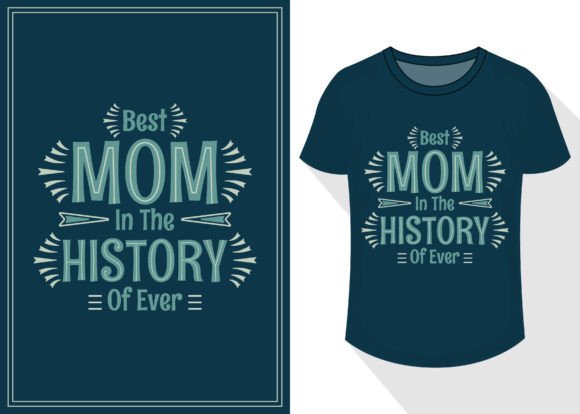
This isn’t just another generic phrase. The quote "Best Mom In The History Of Ever" carries a specific cultural weight—it is playful, hyperbolic, and deeply affectionate. When evaluating this as a piece of T-Shirt Designs or standalone Graphics, the first thing that strikes me is the balance between humor and sentiment. It does not take itself too seriously, which makes it incredibly versatile for modern handmade products.
First Impressions and Visual Personality
The layout of this design feels intentional. It avoids the trap of being too dense, which is crucial for embroidery. When I first loaded the file, I looked for clean lines and logical stitch paths. The mood it creates is warm and celebratory without being overly frilly or traditional. This visual personality fits perfectly into contemporary custom apparel markets where customers want something that feels personal yet stylish.
For those of us selling digital embroidery file assets or finished goods, the aesthetic appeal is half the battle. The other half is technical execution. This design appears to prioritize readability, ensuring that the message remains clear even from a distance. That clarity is essential whether you are stitching a large back panel on a sweatshirt or a smaller chest logo on a polo.
Real-World Application: The Tote Bag Test
To truly understand how this design performs, I imagined a real-life scenario: preparing a custom order for a local boutique. The client wanted a set of three heavy-canvas tote bags for Mother’s Day. I chose the Best Mom in the History of Ever T-shirt design for this project because its bold statement pairs well with the sturdy texture of canvas.
Using a medium-weight cut-away stabilizer, I hooped the fabric and ran a test stitch. The result was impressive. The design held its shape well, and the text remained legible despite the coarse weave of the canvas. This experience highlighted why this design is such a strong candidate for tote bag design projects. It is robust enough to handle the tension of thick fabrics without losing its charm.
Beyond totes, this design shines in sweatshirt embroidery. The softness of fleece or French terry provides a lovely contrast to the structured stitches of the lettering. It also works beautifully for baby embroidery projects, such as onesies or bibs, provided you scale it down appropriately. The playful tone resonates with new parents who appreciate humor amidst the chaos of parenthood.
Navigating Technical Challenges
While the design is versatile, it is not without its constraints. As an experienced reviewer, I must point out where caution is needed. If you are working with small hoop sizes, you need to ensure the smallest details of the lettering do not become indistinguishable blobs of thread. Always check the stitch density before running the full job. High density on stretchy fabrics like jersey knits can cause pulling or distortion.
Textured fabrics present another challenge. If you are stitching on a waffle-knit towel or a heavily textured sweater, the finer lines of the design might get lost. In these cases, consider using a satin stitch border or adjusting the underlay to provide a smoother foundation. For dark fabrics, ensure your thread colors offer sufficient contrast. A light gray thread on a black shirt might look sophisticated in a mockup but disappear in real life.
Curved surfaces, such as caps or hats, require extra attention. The Best Mom in the History of Ever T-shirt design may need to be split or simplified if applied to a structured cap front, as complex curves can lead to registration issues. Always test on scrap fabric first. This simple step saves time, money, and reputation.
Commercial Viability and Brand Consistency
For Etsy sellers and small shop owners, the commercial viability of a design is paramount. This design fits seamlessly into various product lines, from holiday embroidery gifts to everyday personalized gift items. It enhances brand consistency by offering a product that feels high-quality and thoughtful. Customers trust designs that look professional, and this one delivers on that front.
The value proposition here is strong. Whether you are creating an embroidered patch for a jacket or a direct-to-garment style look on a tee, the design elevates the perceived value of the finished product. It encourages buyer engagement because it sparks conversation. People smile when they read it, and that emotional connection drives sales.
Practical Notes for Designers
Before you commit to a large production run or list this as a new item in your store, keep these practical tips in mind:
- Test on Scrap Fabric: Always run a sample on the exact fabric type you plan to use. This helps identify any tension issues or puckering.
- Check Thread Contrast: View your design in black and white to ensure the shapes are distinct. If it looks muddy in grayscale, it will look unclear in color.
- Verify File Formats: The product description mentions you receive EPS, PDF, SVG, PNG, and DXF files. Ensure you are using the correct format for your machine or cutting device. Note that standard embroidery machines typically use PES, DST, or JEF formats, so confirm if native embroidery files are included or if you need to digitize from the vector graphics provided.
- Review Licensing: If you plan to sell items made with this design, confirm the license terms. Some digital assets allow for commercial use of finished physical items but restrict the resale of the digital file itself.
- Stabilizer Selection: Match your stabilizer to your fabric. Use tear-away for stable woven fabrics and cut-away for knits and stretchy materials.
In conclusion, the Best Mom in the History of Ever T-shirt design is a solid addition to any designer’s library. It balances humor with heart, technical feasibility with visual appeal. By understanding its strengths and respecting its limitations, you can create stunning craft business items that customers will love and cherish. Whether you are a hobbyist making gifts for family or a professional decorator fulfilling bulk orders, this design offers the reliability and charm needed for successful embroidery project outcomes.