Reviewing the Little Miss Valentine Retro SVG for Embroidery
As a designer who spends half my life digitizing and the other half stitching, I have learned to look past the pretty preview images. When I first opened the Little Miss Valentine Retro SVG, my immediate reaction was not just about aesthetics, but about stitchability. The retro vibe is undeniable, with its bold lines and nostalgic charm, but the real question for any serious crafter or Etsy seller is how this graphic translates from a flat digital file into a textured, durable finished product.
First Impressions: Mood and Visual Personality
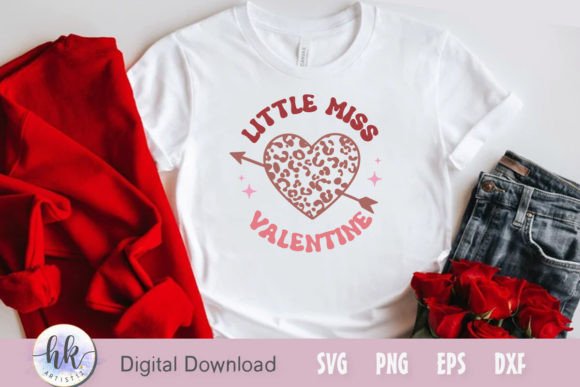
The design carries a distinct mid-century warmth. It is not overly intricate, which is often a blessing in the world of machine embroidery. Complex gradients and tiny details can turn into a mess of thread breaks and bird nests on the hoop. This Graphics asset, however, relies on strong shapes and clear negative space. For a machine embroidery design, this clarity is crucial. The mood it creates is playful yet sophisticated, making it versatile enough for both a child’s nursery and a boutique adult apparel line.
When evaluating the layout, I noticed the balanced composition. It does not feel top-heavy or awkwardly spaced. This suggests that when converted into an embroidery file, the weight distribution should remain stable, reducing the risk of fabric puckering if proper stabilization techniques are used.
Real-World Application: From Screen to Stitch
To truly test the viability of this design, I imagined a specific scenario: a custom order for a local boutique needing a run of personalized tote bags for a February pop-up shop. The client wanted something that screamed "handmade quality" without looking amateurish. Here is how Little Miss Valentine Retro SVG fits into that workflow.
For a tote bag design, durability is key. Canvas is a sturdy fabric, but it has a visible weave. The bold lines of this retro style would hold up well against the texture. If I were digitizing this myself, I would lean heavily on satin stitch for the outlines to give a raised, premium feel, while using a fill stitch for larger solid areas to ensure coverage without excessive density. The result would be a tactile experience that invites the customer to touch the product, increasing perceived value.
Beyond totes, consider sweatshirt embroidery. A crewneck sweatshirt provides a stable, thick surface that is forgiving for beginners and professionals alike. Placing this design on the left chest or as a larger back piece could create a standout custom apparel item. The retro aesthetic pairs beautifully with heathered fabrics, where the thread colors can either contrast sharply for visibility or blend subtly for a vintage, worn-in look.
Navigating Fabric Challenges and Hoop Constraints
While the design is robust, it is not without its constraints. As an experienced reviewer, I must point out where caution is needed. If you plan to use this on stretchy fabrics like jersey t-shirts or thin silks, the stitch density becomes a critical factor. Without knowing the exact digitized stitch count, you must assume that large filled areas will pull on lightweight fabric. In these cases, a high-quality cut-away stabilizer is non-negotiable.
Another consideration is the hoop size. The file description mentions a 6x6 inch resolution. This is a generous size, perfect for pillow covers or aprons, but it may require re-digitizing or scaling down for smaller items like baby caps or pocket patches. If you shrink the design too much, the fine details might merge, losing that crisp retro definition. Always test a scaled-down version on scrap fabric before committing to a final embroidery project.
Dark fabrics present another challenge. If you are stitching on black or navy, you cannot rely on the background color to define edges. You must ensure your thread colors have enough contrast. A mockup in black and white can help visualize this before you thread up the machine. For dark garments, consider adding a underlay stitch or even turning the design into an applique design by using a contrasting fabric base, which reduces stitch count and adds dimension.
Commercial Viability and Brand Consistency
For small shop product creators, consistency is brand currency. This design offers a cohesive look that can be adapted across various Crafts categories. Whether it is a holiday embroidery piece for Valentine’s Day or a year-round romantic motif, the style remains recognizable. This helps in building a catalog where customers can instantly identify your work.
When selling on platforms like Etsy, presentation matters. Using this digital embroidery file to create high-quality printable mockup assets can significantly boost click-through rates. However, remember that a mockup is not reality. Customers trust handmade quality when the actual personalized gift arrives looking as good as the photo. Ensuring clean trims, proper tension, and neat backing removal is essential to maintain that trust.
Practical Designer Notes for Best Results
Before you load this into your machine, take a moment to review the technical specifics. The package includes EPS, SVG, PNG, and DXF formats. While SVG and DXF are common for cutting machines, embroidery machines typically require PES, DST, or JEF files. You will likely need to use digitizing software to convert these vector graphics into a stitch file. This step allows you to control the running stitch paths, adjust pull compensation, and set the sequence of colors.
- Test on Scrap: Always stitch out a test sample on the same fabric type you intend to use for the final product.
- Check Licensing: Confirm whether the license allows for commercial use of finished physical items. Most designers allow selling finished goods but prohibit reselling the digital file itself.
- Stabilizer Choice: Match your stabilizer to your fabric. Tear-away for stable wovens, cut-away for knits, and wash-away for delicate or sheer materials.
- Thread Quality: Use high-quality polyester or rayon threads to prevent breakage and ensure vibrant color retention after washing.
In conclusion, Little Miss Valentine Retro SVG is a strong candidate for your next creative venture. It balances aesthetic appeal with practical simplicity, making it suitable for both novice hobbyists and seasoned commercial embroidery professionals. By respecting the material constraints and preparing your files correctly, you can transform this digital asset into a cherished handmade product that stands out in a crowded market.